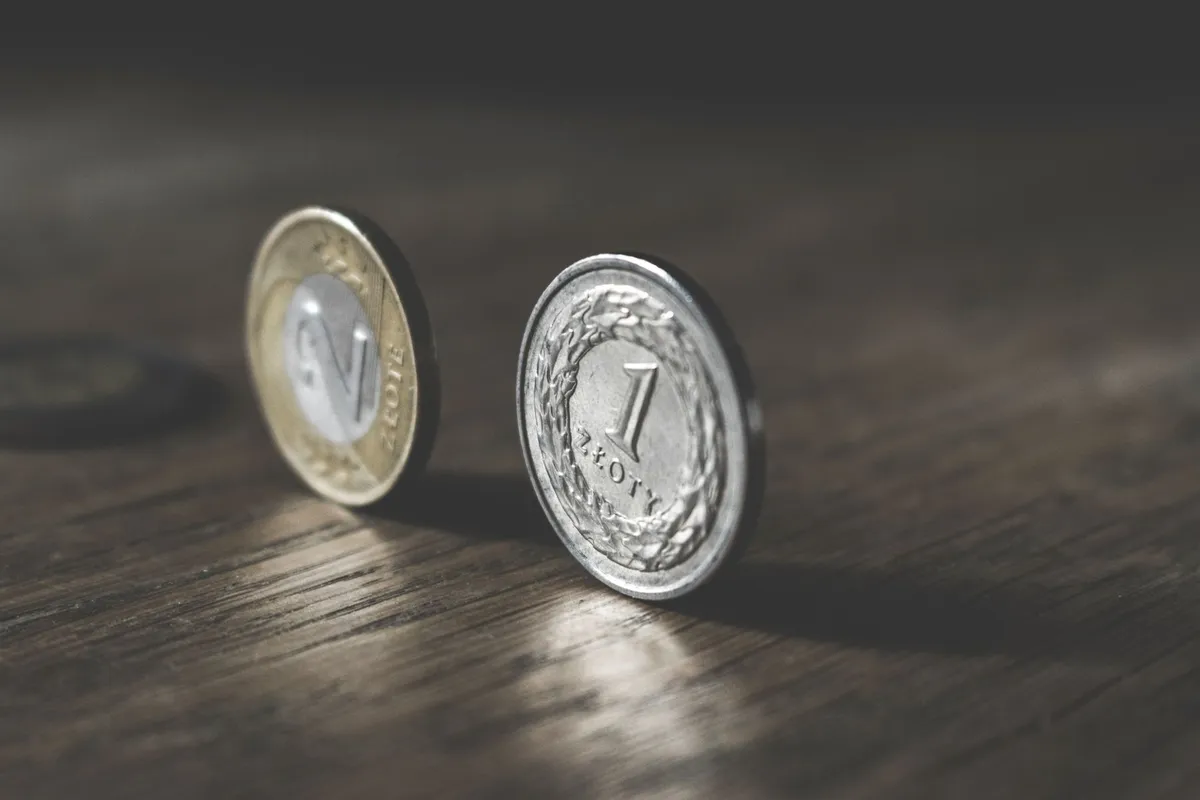
Gold Sovereigns in France: Why a British Coin Travels So Well
Why the Sovereign is traded so easily in France, how it compares with the Napoleon, and what British expats should know before buying or selling one.
All articles

Gold Supply: Mine Production, Recycling and Mining Costs
Where new gold comes from each year, why mine output changes slowly, what all-in sustaining costs measure and how recycling fills the gap.
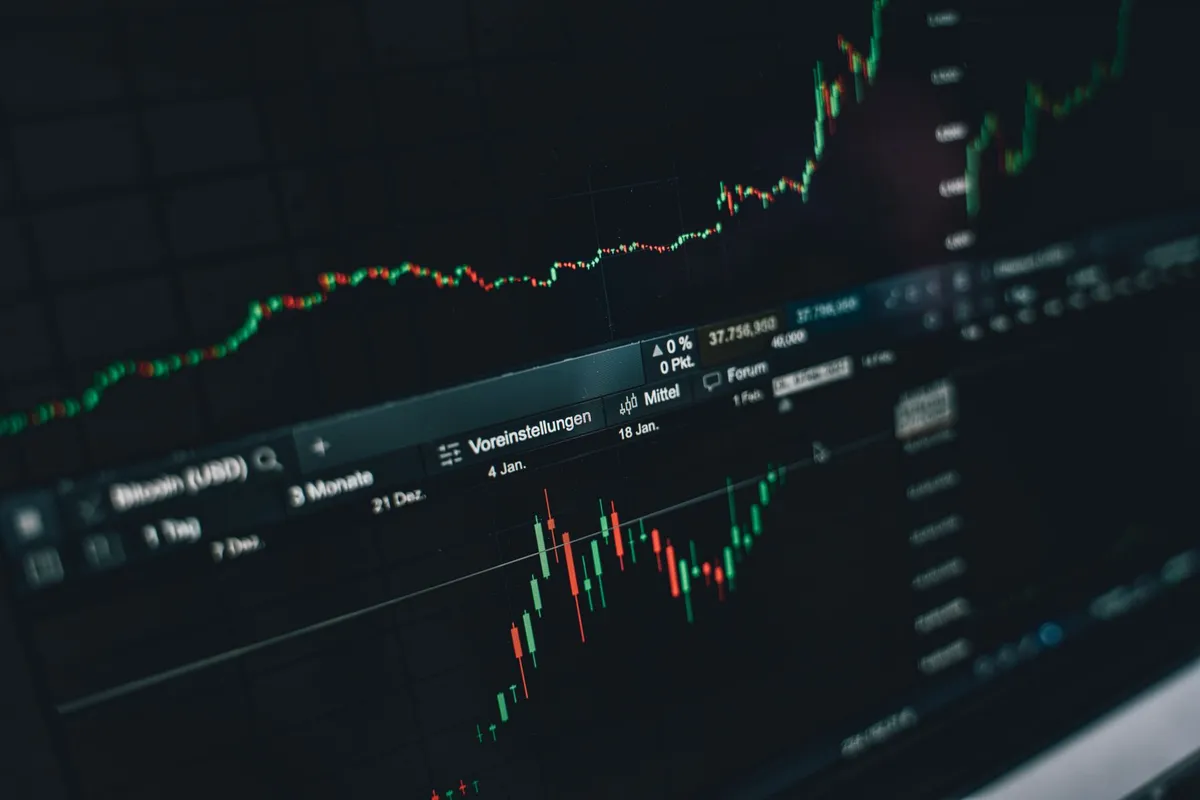
Gold ETFs vs Physical Gold: How the Two Kinds of Exposure Differ
How physically backed gold ETFs work, what they cost, which risks they carry and how they compare with owning coins and bars directly.
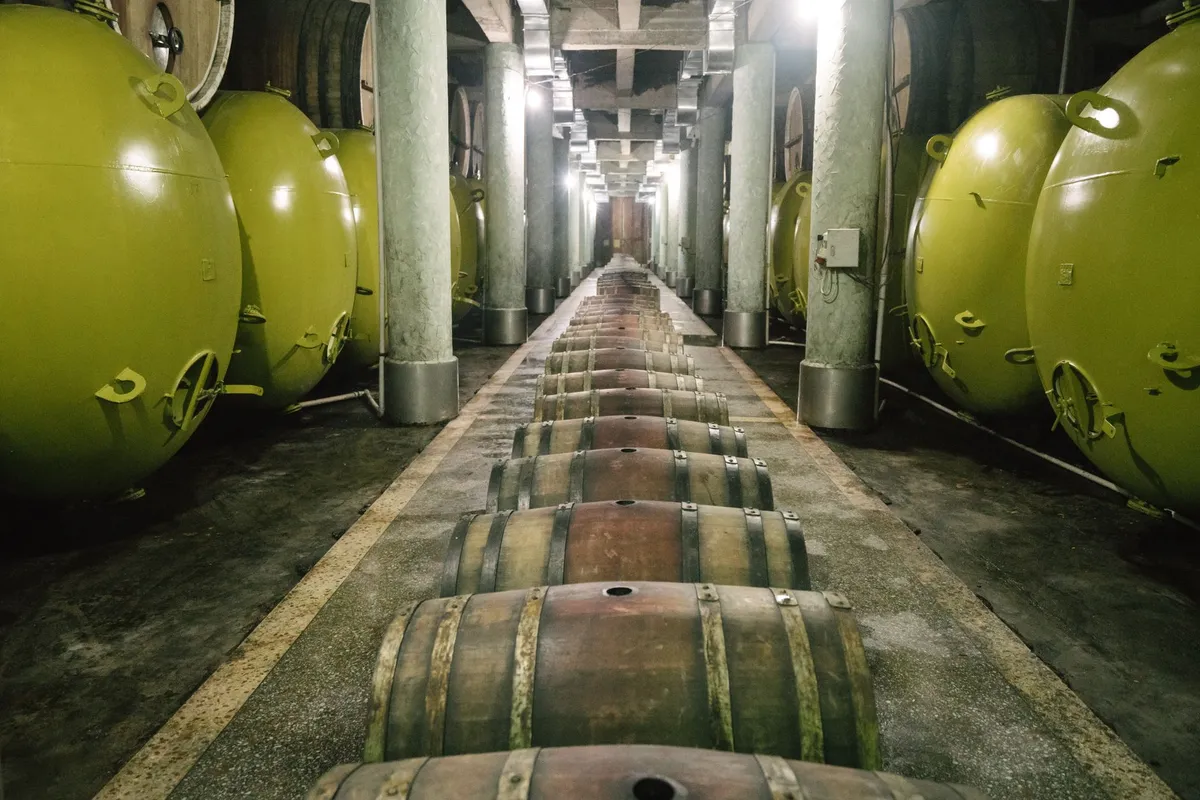
LBMA Good Delivery Bars: The Standard Behind the Wholesale Market
What a Good Delivery gold or silver bar is, the weight and purity rules it must meet, how refiners are accredited and why the standard matters.

Spotting Counterfeit Gold and Silver Coins: Simple Checks
Weight, dimensions, magnets, sound and conductivity: the practical checks used to catch fake gold and silver coins, and their limits.

Troy Ounces and Fineness Explained: How Precious Metals Are Weighed
Troy ounces, grams, millesimal fineness and karats: how to read the weight and purity of gold and silver coins and work out their fine metal content.

China, India and Asian Demand: The Physical Heart of the Gold Market
How Indian festivals and import duties, the Shanghai Gold Exchange, Chinese retail buying and Swiss and Hong Kong flows shape physical gold demand.
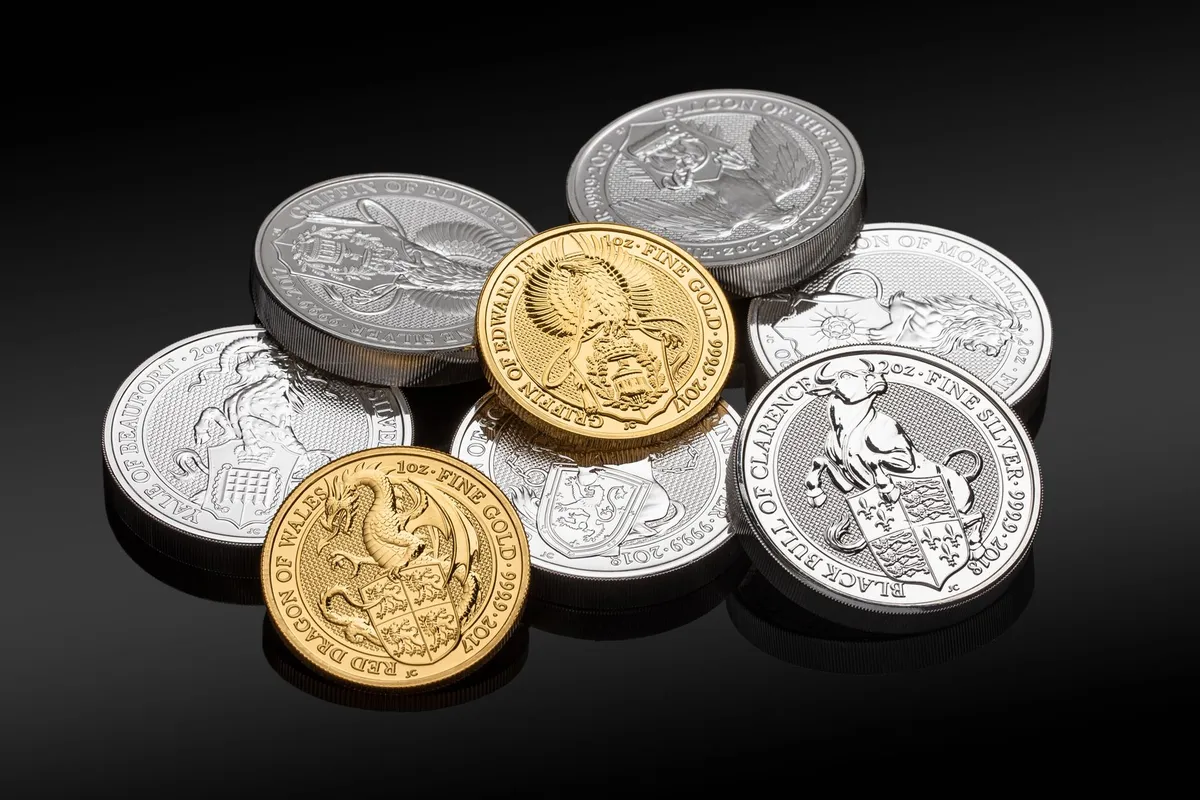
Gold vs Silver: How the Two Precious Metals Really Differ
Gold and silver share a monetary past but behave very differently today, from volatility and storage bulk to premiums, liquidity and demand.
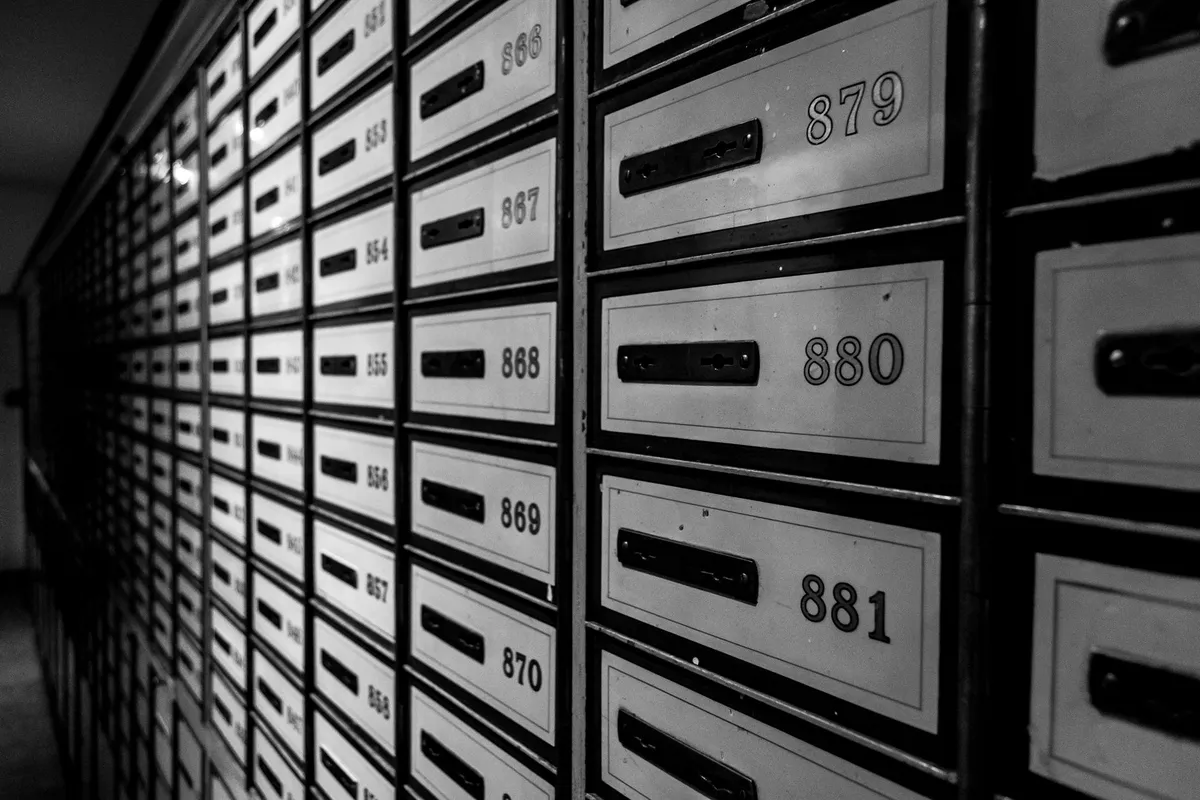
How to Store Bullion: Home, Bank Boxes and Private Vaults
A practical guide to storing gold and silver: home safes, bank safe deposit boxes, allocated and segregated vaults, coin handling and record keeping.

Reading Mint Bullion Coin Sales: What the Numbers Really Show
What US Mint, Perth Mint and Royal Canadian Mint sales figures measure, why they spike in crises, and why they are an imperfect sentiment gauge.
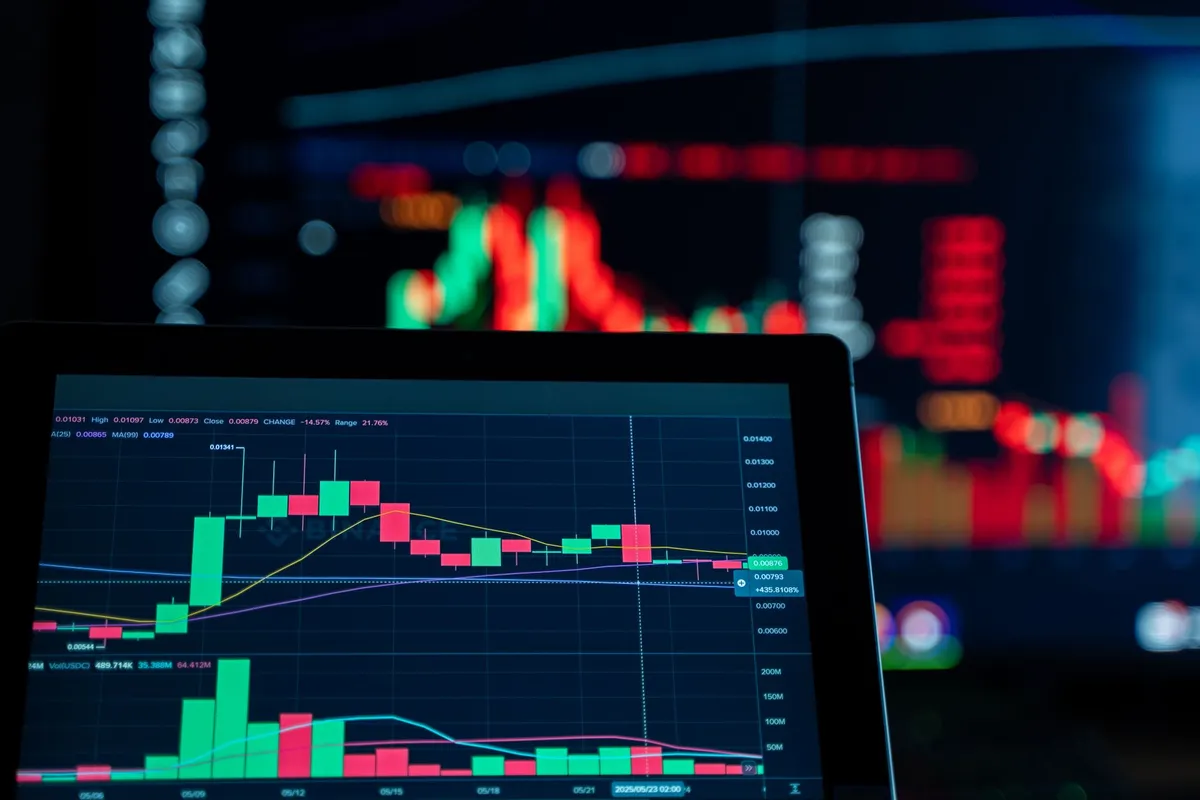
What Moves Gold Prices: Rates, the Dollar and Demand
The main drivers of gold prices explained: real interest rates, the dollar, safe-haven demand, ETFs, central banks, Asian jewelry and futures traders.