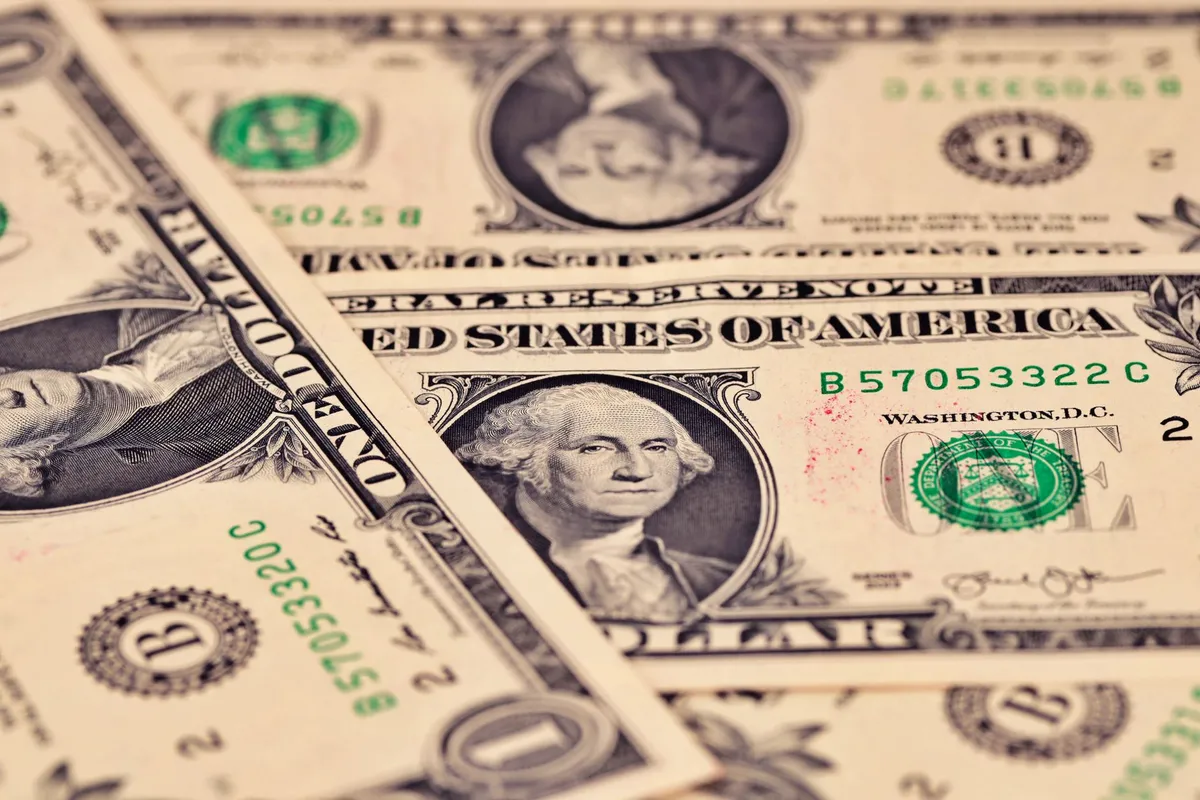
Bretton Woods and the 1971 Closing of the Gold Window
How the postwar system pegged currencies to a dollar convertible at $35 an ounce, why it came under strain in the 1960s and what changed in August 1971.
All articles
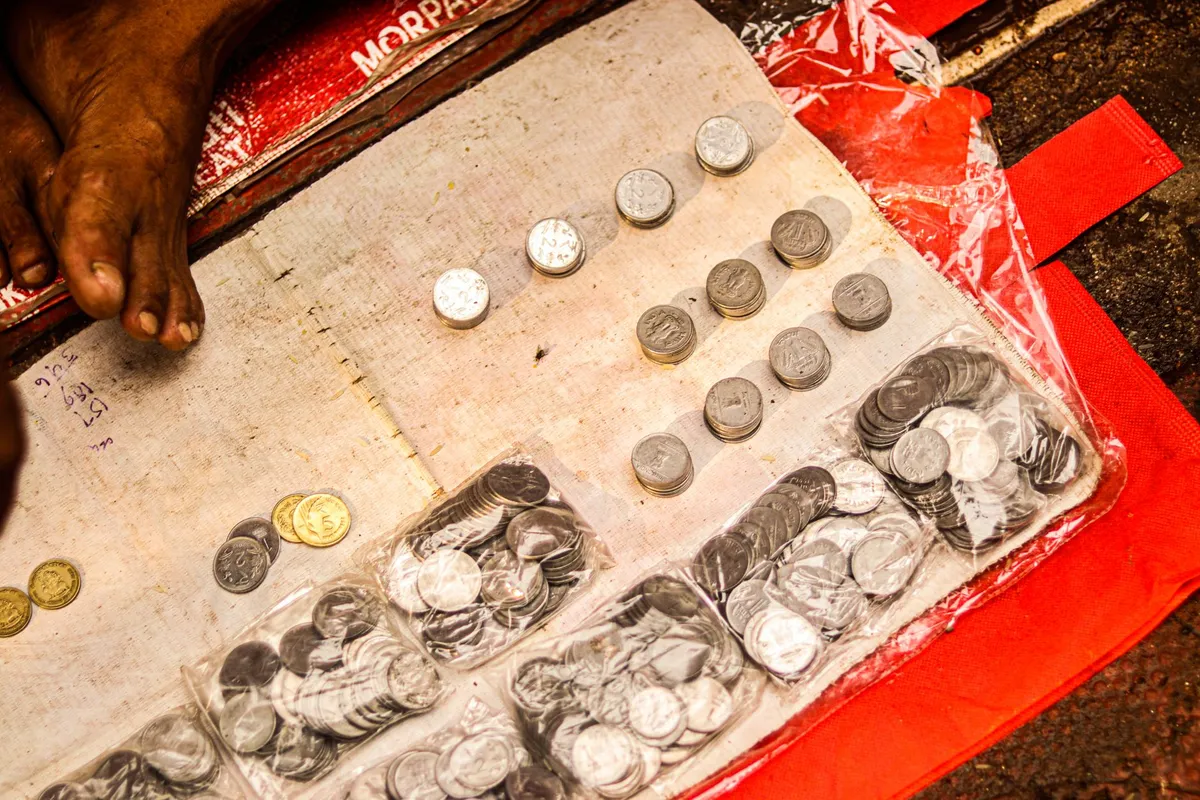
The Coinage Act of 1965 and the End of US Silver Coins
Why the United States removed silver from its dimes and quarters in 1965, what replaced it, and how the 40% silver half dollar fits into the story.

Free Silver and the Cross of Gold: America's Great Money Debate
From the Coinage Act of 1873 to Bryan's 1896 speech and the Gold Standard Act of 1900: how silver divided American politics for a generation.

The 1933 Gold Recall and the Gold Reserve Act of 1934
How Executive Order 6102 required Americans to hand in gold, how the Gold Reserve Act revalued gold to $35 and when private ownership became legal again.
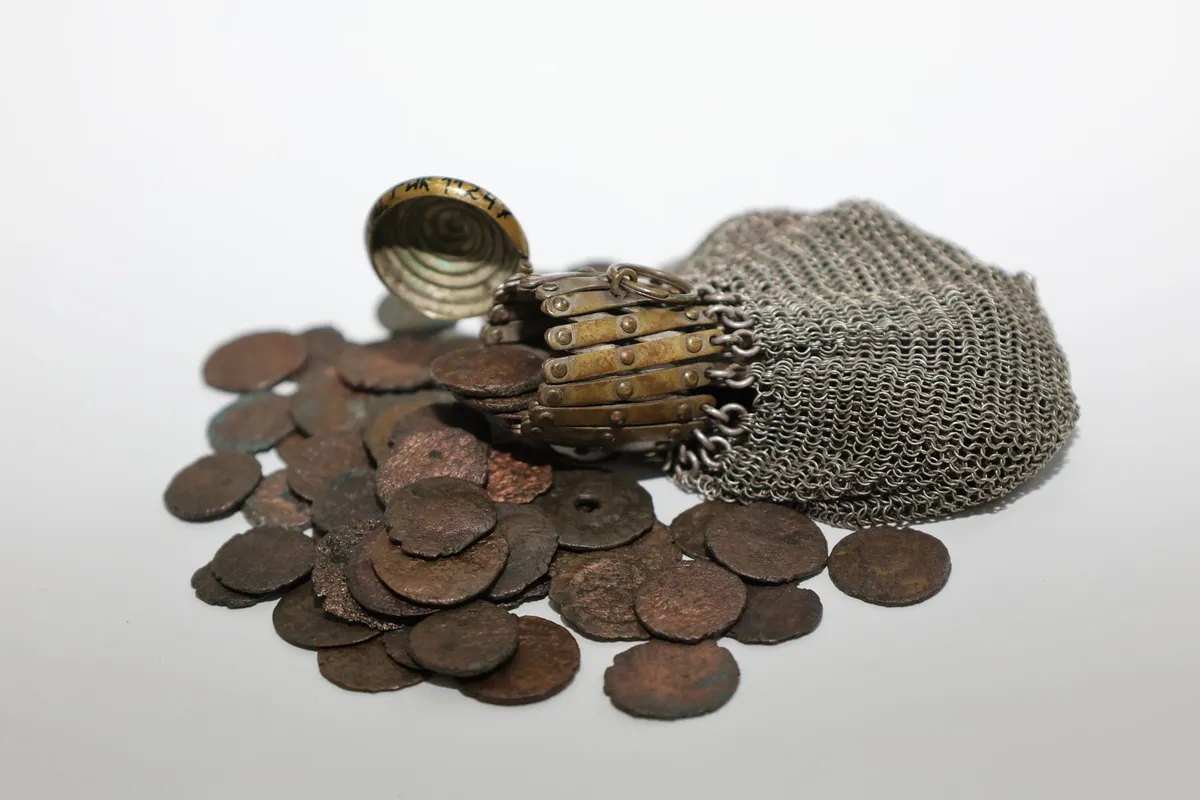
The Classical Gold Standard: How It Worked and Why It Ended
From Britain's early adoption to the wave of the 1870s and the shock of 1914: how the classical gold standard operated and why it never fully returned.

Central Banks and Gold: Why Official Reserves Still Hold Metal
Why central banks keep gold, how the 1971 break with convertibility and the sales era shaped reserves, and what official buying means for price.

Interest Rates, QE and Precious Metals: How Monetary Policy Matters
How real interest rates, quantitative easing, the dollar and Fed communication influence gold and silver, and why the link is never mechanical.